Working at the intersection of data, economics, and public policy.
A short, honest account of the path here — and the questions that keep me on it.
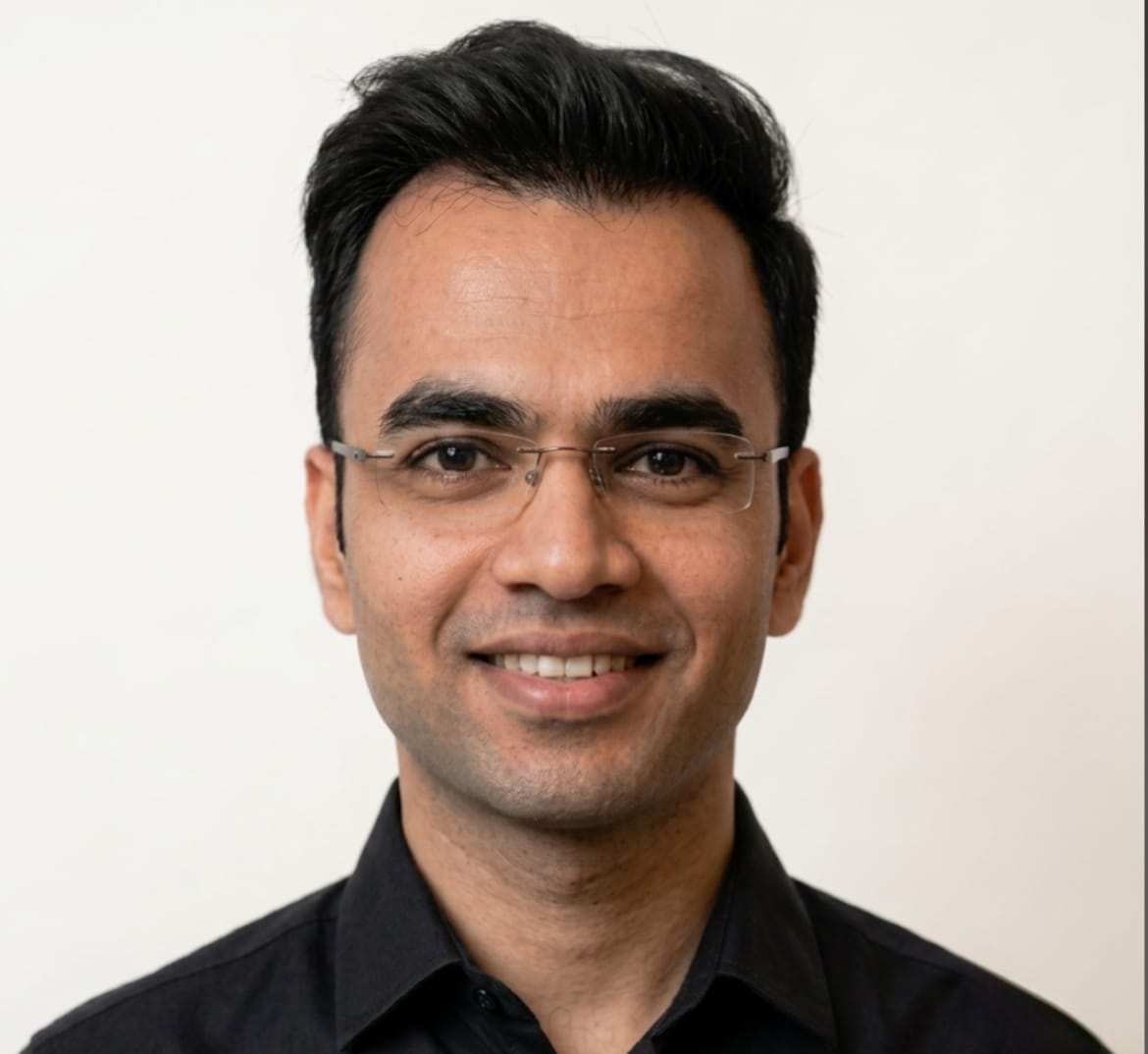
My interest in economics and public policy grew during nearly a decade of preparing for the UPSC Civil Services Examination. Over those years, I spent countless hours reading Budgets, Economic Surveys, policy documents, and official reports. That experience shaped the way I think and introduced me to the questions that continue to guide my work today.
As I explored those questions further, I realised that data offered a practical way to move beyond opinions and study them through evidence. Learning Python, SQL, statistics, and data analytics gave me the tools to analyse official datasets, verify findings, and build work that others can understand and reproduce.
Today, I focus on projects that combine data analytics with economics and public policy. Most of my work is built on government and international datasets because they are transparent, rich in information, and closely connected to the subjects I enjoy studying. My goal is to help people understand public policy through reliable data, careful analysis, and reproducible research.
For the factual summary — education, skills, certifications — see Resume.
- 2012–2015Bachelor of CommerceDelhi College of Arts & CommerceUniversity of Delhi
- 2015–2025UPSC Civil Services Preparation
- M.A. Economics
- M.A. Political Science
- 2025–PresentMaster of Computer ApplicationsCurrent Focus
Most people never read a Budget or an Economic Survey. Most people who do, read the summary, not the document. I find that gap interesting — not because the documents are secretly full of surprises, but because their language, structure, and residuals reveal a state that is more legible than the discourse around it suggests.
The work I want to keep doing is the small, unglamorous kind that closes that gap: reconciled tables, measured vocabulary, honest cross-country comparisons. I enjoy building datasets and tools that save other researchers time and make official data easier to analyse.
The economics of what people can actually do and be — Sen, Nussbaum, and the measurement problem that follows from taking them seriously.
The Budget, the Economic Survey, and ministry-level demand documents read as primary text, not press coverage.
How institutions, governance, and state capacity interact with income over decades — the questions GDP alone cannot answer.
Small, honest pipelines other analysts and journalists can rebuild without trusting an intermediary.
If the original document is available, use it. Interpretation belongs to the reader.
A total that sums back to the published total is worth more than a clever chart that does not.
Every dataset has honest limits. They belong next to the finding, not in a footnote.
Fewer, better analyses over a stream of quick takes.
Over the next few years I want to build a small, coherent body of work at the seam between economics and public policy — a handful of reconciled open datasets, a set of long-form analyses that hold up under scrutiny, and eventually contributions to research groups or policy shops that take the same view of primary sources.
If any of this overlaps with what you're building, get in touch